
Gambling's hidden toll Exploring the mental health consequences
The Psychological Impact of Gambling
The psychological effects of gambling can be profound and often overlooked. While many view gambling as a form of entertainment, it can quickly escalate into a compulsive behavior that adversely affects mental health. Individuals who gamble may experience anxiety, depression, and feelings of guilt or shame as they struggle to manage their gambling habits. This psychological toll often leads to a vicious cycle where the need to gamble grows stronger as emotional distress increases. In this context, Hermes Casino provides an array of resources aimed at promoting safer gaming practices.

Moreover, the thrill of winning can create an addictive loop, making it difficult for individuals to recognize when their gambling becomes problematic. The euphoric highs are often followed by deep lows, resulting in emotional instability. This emotional rollercoaster can lead to isolation, as individuals may withdraw from family and friends, further exacerbating mental health issues. The need for social support becomes critical, yet those affected may find themselves alienated due to shame or denial.
A report from mental health organizations highlights the correlation between gambling addiction and suicide rates. Those deeply entrenched in gambling often feel hopeless and overwhelmed, leading to dangerous thoughts and actions. It is crucial to recognize these symptoms early and seek help, as awareness can make a significant difference in addressing these mental health challenges associated with gambling.
The Financial Strain of Gambling
The financial burdens associated with gambling can lead to significant stress and anxiety, impacting mental health in various ways. Many gamblers underestimate the amount of money they might lose, believing that they can win back their losses. This mindset can lead to dangerous financial decisions, including accumulating debt or borrowing money from friends and family, which ultimately adds to their stress levels. Understanding the economics of casino operations can help alleviate some of the financial pressure faced by players.
Compounding the issue, financial instability can affect other aspects of life, including relationships and job performance. Struggles to manage finances can lead to conflicts within families, resulting in additional psychological strain. Gamblers might find themselves in a downward spiral, where financial losses lead to increased gambling as a desperate attempt to recover losses, which further impacts their mental well-being.
Support groups and financial counseling can be essential for those affected, helping them to develop healthy coping mechanisms and regain control of their financial lives. By addressing financial issues proactively, individuals can alleviate some of the mental health strain caused by gambling, paving the way for recovery and stability in both their finances and mental health.
The Role of Social Isolation
Social isolation is a significant consequence of gambling that often goes unrecognized. As gambling habits escalate, individuals may retreat from social interactions, fearing judgment or simply choosing to prioritize gambling over relationships. This withdrawal can lead to loneliness and depression, compounding the mental health toll associated with gambling.
Furthermore, the stigma surrounding gambling addiction can hinder individuals from seeking help. Many feel ashamed of their behavior and fear the repercussions of opening up to friends and family. This lack of communication and support can create a vicious cycle, as isolation intensifies feelings of despair and hopelessness, making it even more challenging to break free from gambling.
Community support is vital in combating the negative effects of isolation. Programs and support groups can provide a safe space for individuals to share their experiences and connect with others facing similar challenges. By fostering these connections, individuals can rebuild their social networks and improve their mental health, ultimately aiding in their recovery from gambling addiction.
Understanding Gambling Addiction
Gambling addiction, often termed pathological gambling or compulsive gambling, is recognized as a behavioral disorder that requires professional intervention. Like other addictions, it alters brain chemistry, making it difficult for individuals to stop despite negative consequences. Understanding the nature of this addiction is crucial for developing effective treatment strategies.
Many people may not recognize their gambling behavior as a problem until it has escalated to severe levels. Early signs can include preoccupation with gambling, increased tolerance, and unsuccessful attempts to cut back. Addressing these symptoms early on can prevent further mental health decline and promote healthier coping mechanisms. Professional treatment often incorporates cognitive-behavioral therapy, which helps individuals identify harmful thought patterns and develop healthier behaviors.
Education about gambling addiction is crucial for both individuals and their families. Increasing awareness can lead to earlier interventions and a better understanding of the mental health struggles that accompany gambling. By fostering an environment that supports open discussions about gambling, it becomes easier for those affected to seek help without fear of judgment.
Seeking Help and Resources
Recognizing the need for help is the first step toward recovery from gambling-related mental health issues. Numerous resources are available for individuals struggling with gambling addiction, including hotlines, therapy, and support groups. These resources offer a safe space to discuss feelings and challenges without fear, which is essential for recovery.
Many therapists specialize in gambling addiction and can provide tailored approaches to treatment. Cognitive-behavioral therapy and motivational interviewing are common methods used to help individuals confront their gambling habits and their underlying emotional issues. Furthermore, engaging in support groups can foster community and provide insights from others who have experienced similar struggles.
Family involvement is also crucial in the recovery process. Encouraging open discussions about gambling can help family members understand the issue better and support their loved ones effectively. By coming together, families can create an environment conducive to healing and recovery, which is vital for improving overall mental health.
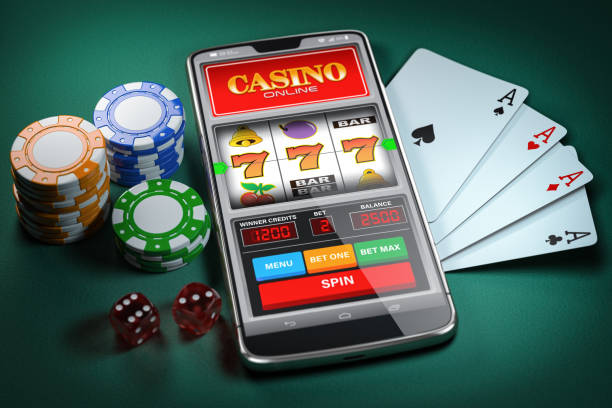
Hermes Casino UK: Prioritizing Player Well-Being
At Hermes Casino UK, we recognize the importance of mental health in the world of gambling. Our commitment goes beyond offering a wide array of games; we prioritize player well-being by promoting responsible gaming practices. We provide tools and resources to help individuals manage their gaming habits, ensuring that entertainment does not come at the expense of mental health.
Our platform includes features that allow players to set limits on their gambling activities, reinforcing a culture of responsible play. Additionally, we offer access to support resources for those who may be struggling with their gambling habits. By fostering an environment where mental health is a priority, we aim to create a positive gaming experience for everyone.
We invite players to explore our extensive game selection while also reminding them of the importance of maintaining a healthy balance. At Hermes Casino UK, we believe that gambling should be a fun and entertaining activity, and we are dedicated to supporting our players in achieving that goal while safeguarding their mental health.